
|
|
| ||||||||
|
||||||||
|
Информация путешественнику Достопримечательности Историческая справка Летопись Отражения Альманах «Соловецкое море» |
|
 |
|
|
Судостроение Яхта «Святой Петр»
Летом 2003 г. на Соловках в реконструированной части амбара для гребных судов началось строительство копии двенадцатипушечной голландской яхты «Святой Петр», построенной в Архангельске в 1693 г. специально для Петра I. На этой яхте Петр I впервые вышел в Белое море и на ней же побывал на Соловецких островах. Вот почему 310 лет спустя после этих событий именно этот корабль был выбран в качестве прототипа для строительства судна-реплики. Интересна судьба той первой петровской яхты. Отслужив свою 30-летнюю морскую службу, она стала наверно первым в Архангельске музейным объектом. Указом 1723 г. предписывалось «ежели той яхты хотя остатки найдутся, то оные извольте в удобном месте поставить и приказать беречь». Что и было сделано, и яхта еще 6 лет сохранялась как памятник отечественного судостроения. Достойный корабль, с достойной судьбой, связанной с Белым морем и Соловками.
Строительство судна ведет бригада молодых судостроителей под руководством члена ТСМ Александра Лапенко. Подробно о строительстве корабля можно прочитать в разделе портала «Соловецкая верфь».
Товарищество Северного Мореходства приглашает к сотрудничеству мастеров-судостроителей и всех, кто имеет опыт работы с деревом, для продолжения строительства судна «Святой Петр». Условия для работы созданы идеальные — отреставрированное помещение амбара для гребных судов, новая техника и инструменты, готовые материалы, Большой Соловецкий остров... Нужны опыт, руки и сердце, открытое морским ветрам. С предложениями пишите руководителю проекта Александру Лапенко svpetrtsm@yandex.ru МРБ «Историк Морозов»
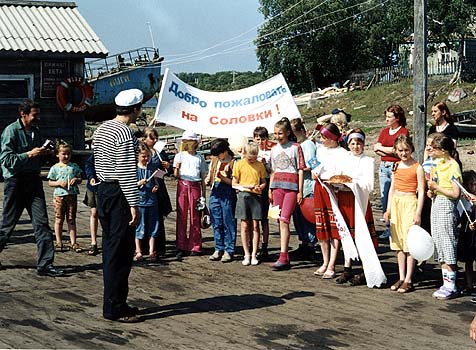
Летом на Соловки прибыл небольшой деревянный корабль, резко отличающийся изяществом форм и навигационным оснащением от своих металлических соловецких собратьев. Корабль стал данью памяти, выражением любви и уважения членов Товарищества и друзей к Сергею Морозову — основателю ТСМ и замечательному человеку… «Человеку и пароходу…». Судно было изготовлено мастерами из судостроительной фирмы «Варяг» в городе Петрозаводске, откуда и прибыло на Соловки в июле 2003 года через Беломоро-Балтийский канал. В августе-сентябре 2003 г. МРБ «Историк Морозов» и члены ТСМ на его борту совершили свою первую экспедицию — вглубь Онежского залива до Кондострова и обратно. Летом 2004 г. состоялся поход «Историка Морозова» в Кандалакшский залив; в 2005 г. — по Онежскому берегу Онежского залива. Данные корабля: Приход «Историка Морозова» на Соловки был с воодушевлением встречен местной общественностью и гостями острова (текст продиктован впечатлениями очевидца, а не ностальгией по передовицам газеты «Правда»). Как сказал один из участников встречи: «За несколько лет скорби — мгновение радости». А.В.Лаушкин: «МРБ “Историк Морозов” после непростого путешествия из Петрозаводска благополучно прибыл к Царскому причалу днем 10-го июля 2003 года. Появление невиданного судна под стенами монастыря сразу же привлекло внимание мимошедшего народа. Еще бы! Было на что поглазеть! Моторный бот “Историк Морозов” снаружи похож на небольшой пароходик с черным корпусом, белыми и золотисто-лакированными надстройками и трубой, на которой красуется красная эмблема ТСМ. На небольшой мачте-флагштоке вьется российский флаг. На черных скулах - резные деревянные доски с названием судна. На корме - такая же доска с указанием на порт приписки - “Соловки”. Внутри бот представляет собой ультрасовременный катер, наполненный разнообразной навигационной техникой (включая систему космического ориентирования, работающую в паре с компьютером), эхолотами, метеорологическим оборудованием, средствами связи, а также всем необходимым для приятного и комфортного хождения по водам. Кроме рубки и моторного отсека на судне есть капитанская каюта, где могут расположиться 2 человека, просторная кают-компания, рассчитанная на 6 спальных мест, и открытая корма. Еще одно помещение, которое создатель корабля Дмитрий Лебедев в шутку назвал “сердцем корабля”, — гальюн. Мощный дизельный двигатель позволяет “Историку Морозову” развивать скорость до 10 узлов (более 18 км/час). Минут через сорок после прибытия бот переставили за Сельдяной мыс - подальше от любопытных глаз. Официальная встреча была назначена только на послезавтра - 12 июля, праздник Апостолов Петра и Павла. Впрочем, уже 11-го потянулись любопытствующие. Приходил, например, Георгий Кожокарь, кресторез с Сельдяного, и пожертвовал на судно “якорный” настенный крест. Георгия связывала с Морозовым добрая дружба. Потом пришел отец архимандрит, и с ним мы даже вышли в море. О.Иосиф стоял у штурвала и расспрашивал Диму о технических возможностях судна и установленной на нем аппаратуры. Дима с большой охотой отвечал. Дойдя до Пес-луды, мы развернулись и пошли назад. На подробнейшей компьютерной карте бухты Благополучия наш курс вычерчивался с точностью до нескольких метров. Своя судовая радость есть и у монастыря: на днях в пару к монастырскому катеру “Святитель Николай” прибыл его брат-близнец, возрожденный монастырем из состояния почти металлоломного. Новый катер нарекли “Святитель Филипп”. Так что соловецкий “порт” пополнился сразу двумя новыми судами. 12-го июля, во время Крестного хода, архимандрит Иосиф освятил “Историка Морозова”, после чего, окруженный всем маломерным флотом ТСМ, сопровождаемый яхтами “Норд-Вест” и “Моряна”, а также моторными лодками и катерами, “Историк” торжественно перешел к причалу Хета, где хлебом-солью, флажками, цветами, транспарантами и декламацией стихов его уже встречали соловецкие школьники. Тут же были пограничники со сторожевого корабля, жители поселка и все желающие. Из динамиков гремела бравурная музыка, в небо взлетали водяные ракеты и пробки шампанского. Слушатели Мореходных классов показывали свое умение ходить под парусом и курсировали взад-вперед на швертботах СМК. Желающие осмотреть судно приглашались на экскурсию. Интерес экскурсантов привлекал и сам корабль, и установленный внутри него стенд с рассказом об истории строительства судна и о С.В. Морозове, портрет которого висит рядом. Все было бестолково, шумно, весело, но при том торжественно. Солнце сверкало и жарило нещадно, гудели колокола, кричали чайки. Многие знавшие Морозова были растроганы и воодушевлены. Дима смотрелся именинником и в конце подарил Даше Морозовой свою капитанскую белую фуражку с якорем на кокарде. Было хорошо!»
В июне-июле 2005 г. шняка перевозится на Соловки. С Водлозера с помощью машины шняку доставили на реку Водлу, и далее своим ходом шняка идет на Соловки. Вы видите фотографии начала этого уникального путешествия. Подробное описание экспедиции читайте на нашем сайте осенью. Подробно о строительстве шняки можно узнать на сайте Михаила Наймарка. Также можно просмотреть полный фотоотчет одного из участников похода Генри Бергиуса (Финляндия).
28 июля 2005 г. шняку встретили на Соловках.
ВОССТАНОВЛЕНИЕ ИСТОРИЧЕСКИХ ОБЪЕКТОВ |
|
|
|
О Товариществе Северного Мореходства Обзор прессы, аннотации Волны Ссылки Карта сайта Иллюминатор О сайте |
|
|
 | ||||||||||
 |
||||||||||
| ||||||||||
 |
 | |||||||||
)
)
)
)
)
)
)
)
)
)
)
)
)
)
)
)
)
)
)
)
)
)
)
)
)
)
)
)
)
)